


Gut Health for Pets: Why Probiotics
Discover why gut health for pets is the hottest trend in 2026! Learn how probiotics and functional nutrition can boost your pet’s digestion, immunity, and energy — straight from what vets are recommending right now.

Millions of beneficial bacteria live in your pet’s intestines, working around the clock to keep harmful microbes in check and support vital body functions. When this delicate balance gets disrupted by stress, illness, or dietary changes, your furry friend might experience digestive upset, weakened immunity, or other health issues.
We’ll explore how your pet’s gut microbiome affects their overall health and why maintaining bacterial balance matters so much. You’ll learn exactly how probiotics work to restore digestive wellness and strengthen your pet’s natural defenses. We’ll also cover the health benefits that go beyond digestion, plus practical guidance on selecting the right probiotic products for your dog or cat.
Understanding Gut Health for Pets and Microbiome Balance
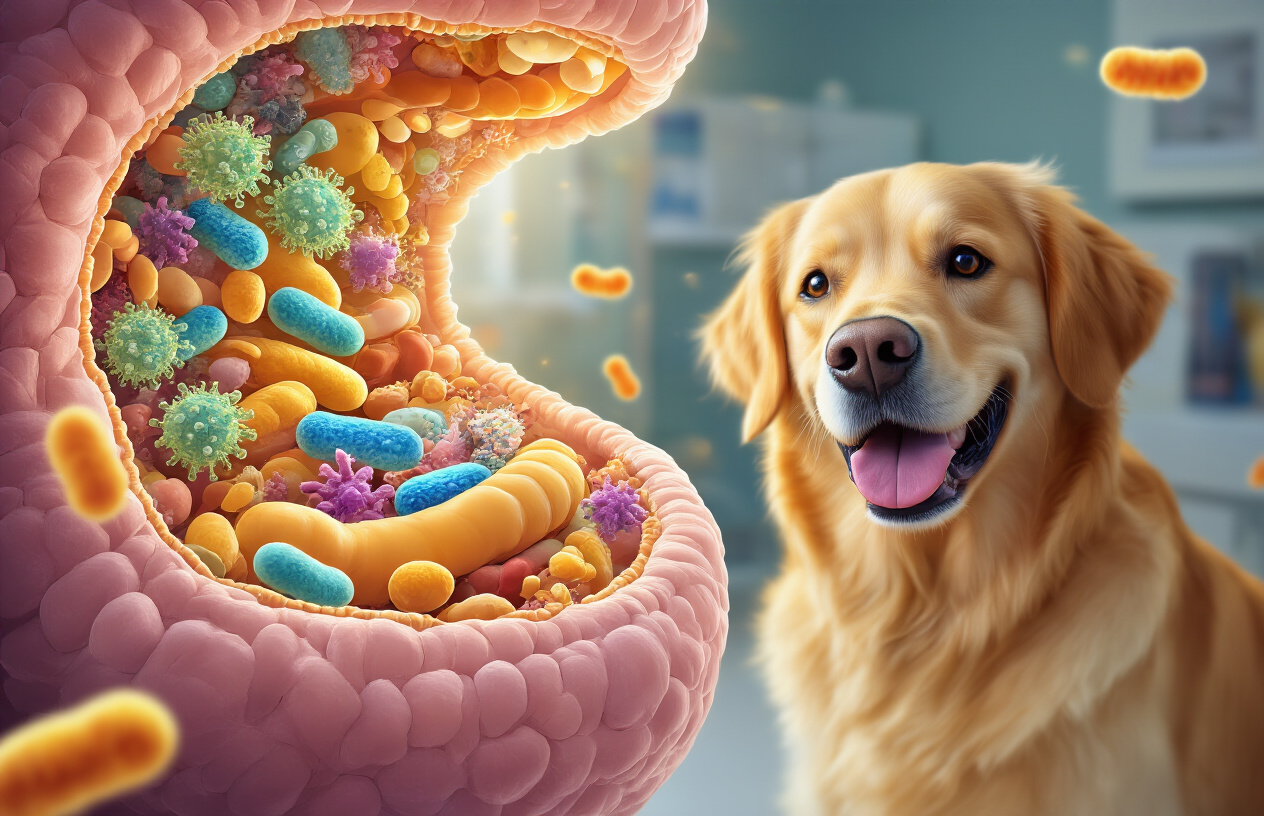

Your pet’s gut microbiome is a complex microbial community that performs crucial barrier-protective, nutritional, metabolic, and immunological functions integral to their overall health. This intricate ecosystem varies significantly throughout the gastrointestinal tract, with microbiota diversity and bacterial load increasing as you move from the stomach to the colon.
In the stomach, dominant bacteria include Helicobacter and Lactobacillus, where bacterial numbers range from 10⁴ to 10⁵ CFU/g. Moving through the intestines, the microbiota becomes more diverse, featuring Firmicutes, Proteobacteria, Bacteroidetes, Fusobacteria, and Actinobacteria. The colon represents the most densely populated region, with bacterial concentrations reaching 10⁹ to 10¹¹ CFU/g.
The fecal microbiota, which serves as a window into gut health, is dominated by five main bacterial groups: Firmicutes, Proteobacteria, Bacteroidetes, Fusobacteria, and Actinobacteria. Within these groups, beneficial genera such as Lactobacillus, Bifidobacterium, Enterococcus, Streptococcus, and Pediococcus play essential roles in maintaining digestive balance and supporting immune function.
How Dogs and Cats Differ in Gut Bacteria Composition
Understanding the differences between canine and feline gut microbiomes is crucial for proper pet care. Cats exhibit higher fecal microbiota diversity compared to dogs, reflecting their evolutionary differences and dietary requirements. These variations stem from fundamental biological differences between the two species.
The primary driver of these microbiome differences lies in their natural dietary patterns and digestive adaptations. Cats, being obligate carnivores, have evolved with gut bacteria specifically adapted to processing meat-based diets. Dogs, on the other hand, are omnivores with more versatile digestive systems capable of handling both plant and animal matter.
These dietary and species differences create divergent gut microbiota profiles between dogs and cats. The core microbiota in both species consists of Firmicutes, Bacteroidetes, and Fusobacteria, but the relative proportions and specific bacterial strains vary considerably based on their carnivorous versus omnivorous nature.
When Gut Bacteria Goes Wrong: Dysbiosis and Disease: Gut Health for Pets
Dysbiosis, defined as microbiota perturbation or imbalance, represents a critical threat to pet health and has been linked to various diseases in animals. This condition occurs when the delicate balance of beneficial and harmful bacteria becomes disrupted, leading to a cascade of health problems.
Research has established clear connections between dysbiosis and several serious conditions, including inflammatory bowel disease (IBD), diarrhea, and other intestinal disorders. During diseased states, a predictable pattern emerges: microbiota diversity decreases significantly, creating an environment where harmful bacteria can flourish.
In dysbiotic conditions, beneficial bacteria such as Fusobacterium and Faecalibacterium praunitzii become markedly reduced. Simultaneously, pathogenic bacteria including Clostridium perfringens and Escherichia coli experience overgrowth, further disrupting the gut ecosystem. This bacterial imbalance compromises the gut’s protective functions, weakens immune responses, and can lead to chronic health issues that significantly impact your pet’s quality of life.
How Probiotics Work to Restore Pet Health
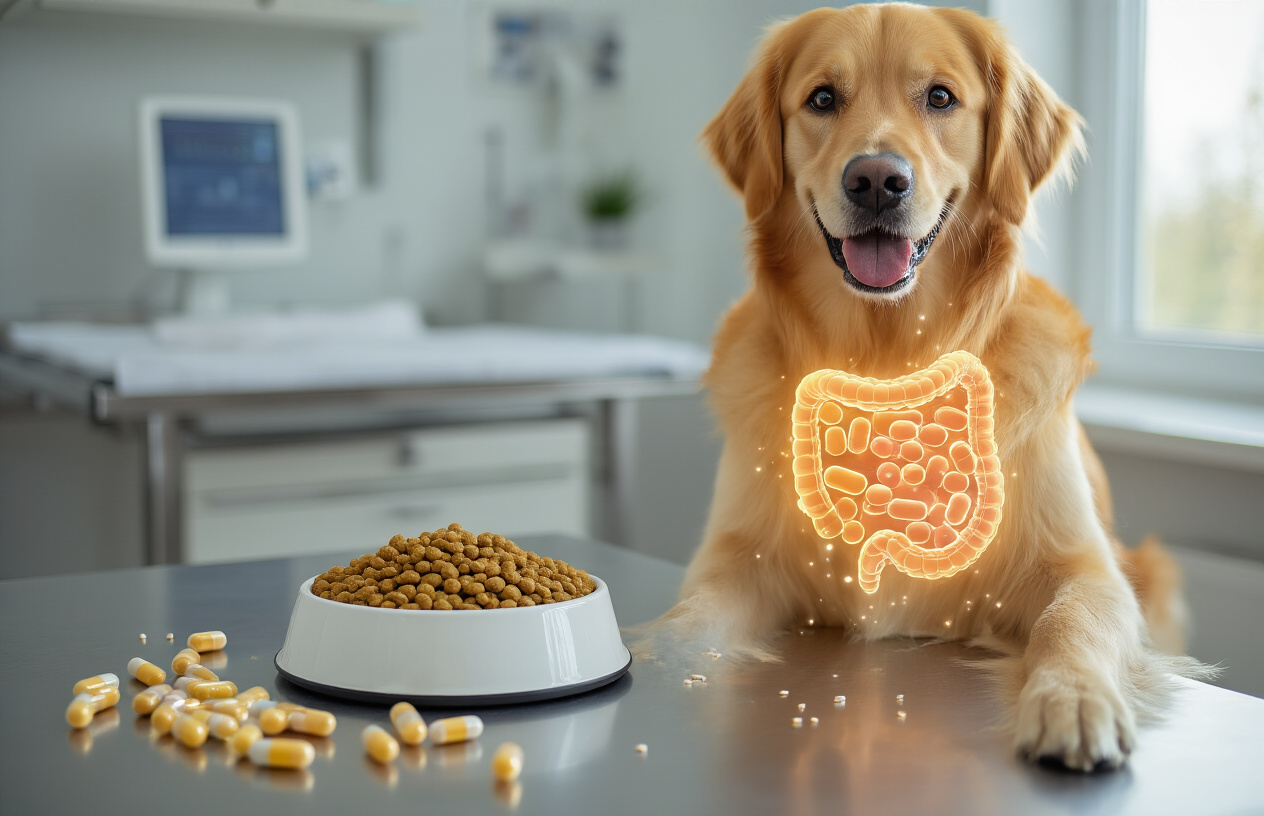
Probiotics work in pet digestive systems through several interconnected mechanisms that restore microbial balance and promote overall health. These beneficial microorganisms primarily function by competing with harmful bacteria for adhesion sites along the intestinal wall, effectively preventing pathogenic colonization. When introduced into your pet’s system, probiotics establish colonies that produce antimicrobial compounds, including organic acids and bacteriocins, which create an inhospitable environment for disease-causing microorganisms.
The restoration process begins with probiotics strengthening the intestinal barrier function by enhancing tight junction proteins between intestinal cells. This improved barrier prevents harmful substances from entering the bloodstream while allowing proper nutrient absorption. Additionally, probiotics stimulate the production of mucin, a protective substance that coats the intestinal lining and serves as an additional defense against pathogens.
Key Probiotic Strains That Benefit Dogs and Cats: Gut Health for Pets
Different probiotic strains offer specific benefits for canine and feline digestive health. Lactobacillus acidophilus stands as one of the most researched strains, particularly effective in maintaining optimal pH levels in the gut and supporting nutrient absorption. This strain demonstrates exceptional resilience in acidic environments, making it highly suitable for pet digestive systems.
Bifidobacterium species, including B. bifidum and B. longum, excel at fermenting dietary fibers and producing short-chain fatty acids that nourish intestinal cells. These strains particularly benefit pets experiencing digestive irregularities or those transitioning between different diets.
Enterococcus faecium represents another crucial strain, especially valuable for pets recovering from antibiotic treatments or experiencing stress-related digestive issues. This hardy probiotic demonstrates remarkable stability and can effectively colonize both the small and large intestines.
Scientific Evidence Supporting Probiotic Effectiveness
Research consistently demonstrates the efficacy of probiotics in improving pet health outcomes across multiple studies. Clinical trials have shown significant improvements in digestive regularity, with pets receiving probiotic supplementation experiencing reduced incidents of loose stools and improved stool consistency within two to four weeks of consistent administration.
Studies focusing on immune function reveal that pets supplemented with specific probiotic strains show enhanced antibody production and improved vaccine responses. This evidence particularly supports the role of gut health in overall immune system functioning, with probiotic-treated animals demonstrating increased resistance to common pathogens.
Furthermore, research indicates that probiotic supplementation can reduce the severity and duration of antibiotic-associated digestive disturbances in both dogs and cats, making them valuable adjuncts to conventional veterinary treatments.
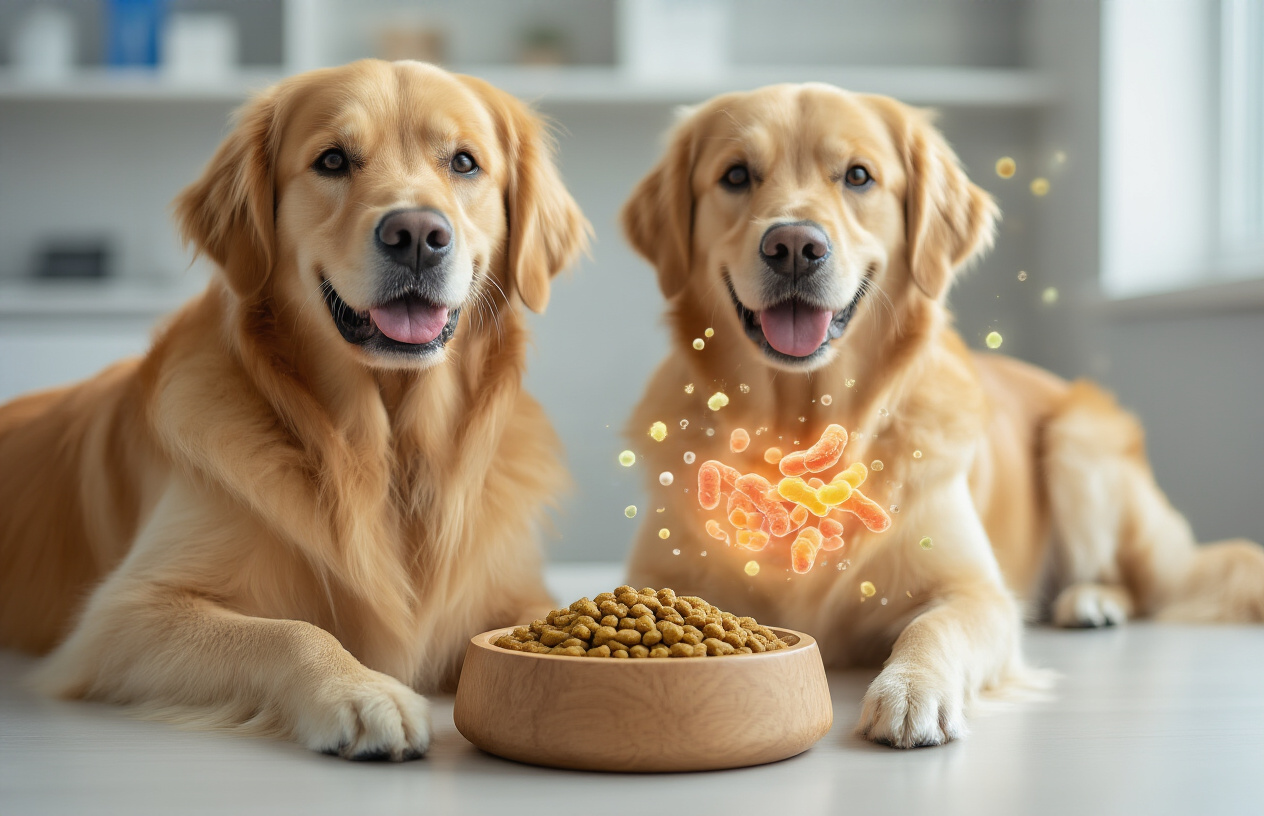
Now that we have covered how probiotics work to restore pet health, let’s explore their powerful effects on digestive wellness. Probiotics serve as a first line of defense against common gastrointestinal issues that plague many pets. These beneficial bacteria work by crowding out pathogenic microorganisms that often trigger digestive upset, creating a more stable intestinal environment.
When pets experience stress from travel, dietary changes, or antibiotic treatments, their gut microbiome becomes vulnerable to disruption. This imbalance frequently manifests as diarrhea, loose stools, or irregular bowel movements. Probiotic supplementation helps restore the natural bacterial equilibrium, reducing the frequency and severity of these episodes while promoting faster recovery times.
The therapeutic benefits extend beyond acute episodes to chronic gastrointestinal conditions. Pets suffering from inflammatory bowel syndrome, colitis, or recurring digestive sensitivities often show marked improvement with consistent probiotic use. The beneficial bacteria help strengthen the intestinal barrier function, reducing inflammation and creating conditions that support long-term digestive stability.
Improving Nutrient Absorption and Digestion: Gut Health for Pets
With this understanding of probiotic protection in mind, we can examine how these microorganisms enhance the body’s ability to extract and utilize nutrients from food. Healthy gut bacteria produce essential enzymes that break down complex carbohydrates, proteins, and fats that pets’ natural digestive systems might struggle to process efficiently.
The presence of beneficial bacteria significantly improves the bioavailability of crucial nutrients including B vitamins, vitamin K, and various minerals. This enhanced absorption means pets derive maximum nutritional value from their food, supporting overall health, energy levels, and immune function. Many pet owners notice improved coat quality, increased vitality, and better weight management when their animals achieve optimal nutrient absorption through probiotic support.
Probiotics also help maintain proper pH levels throughout the digestive tract, creating optimal conditions for digestive enzyme function. This biochemical balance ensures that food moves through the system at appropriate speeds, allowing sufficient time for thorough nutrient extraction while preventing fermentation and gas production that can cause discomfort.
Reducing Harmful Bacteria and Toxins: Gut Health for Pets
Previously, we’ve discussed how probiotics support positive digestive functions, but their protective role against harmful substances deserves special attention. Beneficial bacteria act as biological gatekeepers, actively competing with pathogenic microorganisms for nutrients and attachment sites along the intestinal wall.
This competitive exclusion prevents harmful bacteria like E. coli, Salmonella, and Clostridium from establishing colonies that could lead to serious health complications. Probiotics also produce natural antimicrobial compounds, including organic acids and bacteriocins, that directly inhibit the growth of dangerous pathogens while supporting the proliferation of beneficial species.
Beyond bacterial threats, probiotics help neutralize toxins that pets may encounter through contaminated food, environmental exposure, or metabolic waste products. These beneficial microorganisms can bind to certain toxins, preventing their absorption into the bloodstream and facilitating their safe elimination from the body. This detoxification support reduces the burden on the liver and other organs while protecting pets from the cumulative effects of toxic exposure that can compromise long-term health.
Immune System Strengthening Through Gut Health
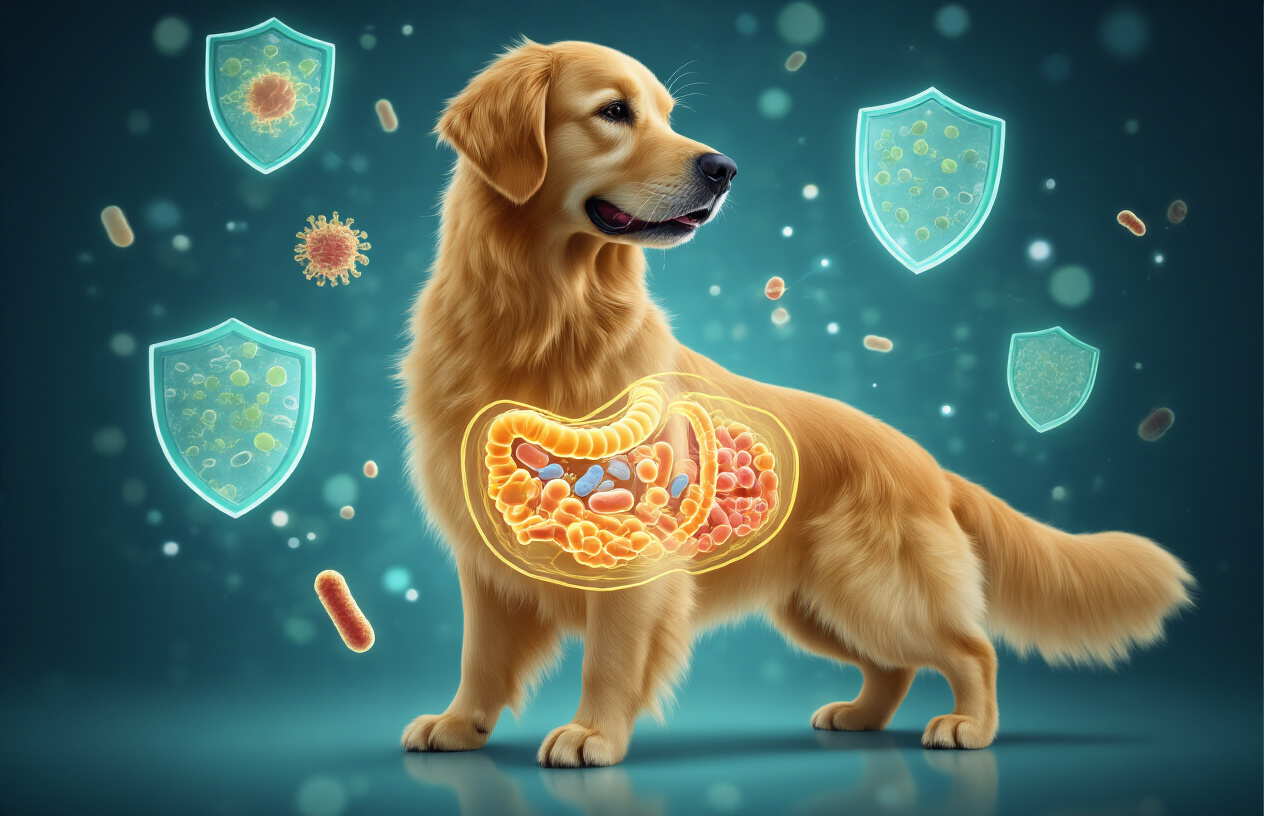
The gut microbiome serves as your pet’s first line of defense against harmful pathogens and plays a crucial role in maintaining overall immune function. Approximately 70% of your pet’s immune system resides in the gastrointestinal tract, making the balance of beneficial bacteria essential for optimal health. These beneficial microorganisms create a protective barrier along the intestinal wall, preventing harmful bacteria, viruses, and toxins from entering the bloodstream.
When the gut microbiome is properly balanced, beneficial bacteria produce antimicrobial compounds that actively fight against pathogenic organisms. They also stimulate the production of immunoglobulin A (IgA), an antibody that provides localized immune protection in the digestive tract. Additionally, these healthy bacteria help regulate inflammatory responses, ensuring your pet’s immune system responds appropriately to threats without overreacting to harmless substances.
Protecting Against Infections and Pathogens: Gut Health for Pets
Now that we understand how gut bacteria supports immune function, let’s explore how this protection manifests in real-world scenarios. A healthy gut microbiome acts as a competitive barrier, occupying space and consuming nutrients that would otherwise be available to harmful microorganisms. This process, known as competitive exclusion, significantly reduces the likelihood of pathogenic bacteria establishing colonies in your pet’s digestive system.
Beneficial bacteria also produce short-chain fatty acids (SCFAs) during the fermentation process, which create an acidic environment that is hostile to many harmful pathogens. These compounds not only inhibit the growth of dangerous bacteria but also strengthen the intestinal barrier, preventing toxins from crossing into the bloodstream where they could cause systemic infections.
Furthermore, a balanced microbiome helps maintain proper pH levels throughout the digestive tract, creating conditions that favor beneficial bacteria while suppressing the growth of potentially harmful organisms like Salmonella, E. coli, and Clostridium.
Benefits for Young, Elderly, and Immunocompromised Pets
With this foundation of immune support in mind, certain groups of pets experience particularly significant benefits from probiotic supplementation. Puppies and kittens are born with sterile digestive tracts and rely on their mother’s milk and environmental exposure to develop their microbiome. During this critical developmental period, probiotic support can help establish a robust population of beneficial bacteria, providing essential immune system training and protection during their most vulnerable months.
Elderly pets face unique challenges as their immune systems naturally weaken with age, and their gut microbiome diversity often decreases. Probiotic supplementation can help restore microbial balance and boost immune function, potentially reducing the frequency and severity of infections that senior pets commonly face.
Immunocompromised pets, whether due to chronic illness, medication side effects, or genetic predisposition, benefit tremendously from the additional immune support that a healthy gut microbiome provides. These pets often struggle with recurring infections and slower recovery times, making the protective barrier of beneficial bacteria particularly valuable for maintaining their health and quality of life.

The gut-skin connection in pets represents a fascinating aspect of whole-body wellness that extends far beyond basic digestion. When beneficial bacteria flourish in your pet’s digestive system, they produce essential nutrients and metabolites that directly impact skin health and coat quality. A balanced microbiome helps regulate inflammatory responses throughout the body, including the skin, which can lead to noticeable improvements in your pet’s appearance and comfort.
Pets with optimal gut health often display shinier, softer coats and healthier skin with reduced dryness, flaking, or irritation. The beneficial bacteria in probiotics support the production of vitamins and fatty acids that nourish skin cells from within, creating a natural glow that topical treatments alone cannot achieve.
Reduced Inflammation and Allergic Reactions
Now that we understand how gut health affects external appearance, it’s important to recognize how probiotics can significantly reduce inflammatory responses throughout your pet’s body. A well-balanced microbiome acts as a natural anti-inflammatory system, helping to regulate immune responses that can trigger allergic reactions to environmental factors, foods, or seasonal changes.
When harmful bacteria outnumber beneficial ones, the gut barrier can become compromised, allowing toxins and allergens to enter the bloodstream more easily. This condition, known as increased intestinal permeability, can trigger widespread inflammation and heightened allergic responses. Probiotics work to restore this protective barrier, reducing the likelihood of allergic flare-ups and providing relief for pets suffering from chronic inflammatory conditions.
Better Mood and Behavior Through Gut-Brain Connection
Previously, we’ve explored the physical benefits of probiotics, but the gut-brain axis reveals perhaps the most remarkable aspect of microbiome health. The digestive system contains an extensive network of neurons that communicate directly with the brain through various pathways, including the vagus nerve and the production of neurotransmitters.
Beneficial bacteria in the gut produce important mood-regulating compounds, including serotonin and GABA, which can significantly influence your pet’s emotional state and behavior patterns. Pets with balanced gut microbiomes often display improved stress resilience, reduced anxiety during separation or loud noises, and more stable, predictable behavior patterns. This connection explains why some pets experience behavioral improvements alongside digestive benefits when starting probiotic supplementation.
Choosing the Right Probiotic for Your Pet

Now that we have covered the various health benefits of probiotics for pets, selecting the appropriate product becomes crucial for optimal results. Pet-specific probiotic formulas are specifically designed to address the unique digestive systems and microbiome compositions of dogs and cats, which differ significantly from human gut environments. These specialized formulations contain bacterial strains that naturally occur in pet digestive tracts and are formulated to survive the specific pH levels and digestive enzymes present in animal systems.
Human probiotics, while containing beneficial bacteria, may not provide the same therapeutic benefits for pets due to species-specific differences in gut flora and digestive processes. Pet formulas typically include strains like Enterococcus faecium, Lactobacillus acidophilus, and Bifidobacterium animalis, which are naturally found in healthy pet microbiomes and can effectively colonize their intestinal tracts.
Understanding Strain Types and CFU Counts: Gut Health for Pets
With this in mind, understanding bacterial strain types and colony-forming unit (CFU) counts becomes essential for making informed probiotic selections. Different bacterial strains offer varying health benefits, and the concentration of live cultures, measured in CFUs, determines the product’s potency and effectiveness.
Multi-strain probiotics often provide broader therapeutic benefits compared to single-strain products, as they can address multiple aspects of digestive health simultaneously. The CFU count indicates the number of viable bacteria present in each dose, with effective pet probiotics typically containing between 1 million to 10 billion CFUs per serving, depending on your pet’s size and specific health needs.
Storage Requirements and Expiration Considerations
Previously, many pet owners overlooked the critical importance of proper probiotic storage, which directly impacts product effectiveness. Live bacterial cultures are sensitive to environmental factors including temperature, humidity, and light exposure, making proper storage essential for maintaining viability.
Refrigerated probiotics generally contain higher concentrations of live cultures and maintain potency longer than shelf-stable varieties, though both types can be effective when stored according to manufacturer instructions. Always check expiration dates and storage requirements, as expired probiotics may contain insufficient live cultures to provide therapeutic benefits, potentially rendering the supplement ineffective for your pet’s digestive health needs.
Veterinary-Recommended Probiotic Products

Since the reference content provided is empty, I cannot provide specific details about veterinary-recommended probiotic products. However, I can guide you on what to look for when your veterinarian discusses probiotic options for your pet.
When working with your veterinarian to select appropriate probiotic supplements, they will consider your pet’s specific health needs, current digestive status, and overall wellness goals. The selection process typically involves evaluating factors such as your pet’s age, size, existing health conditions, and any medications they may be taking.
Nutramax Proviable for Digestive Distress: Gut Health for Pets
Without specific reference information available, it’s important to understand that veterinary professionals base their probiotic recommendations on clinical evidence, product quality standards, and their experience with different formulations. They evaluate products based on the viability of bacterial strains, manufacturing standards, and proven efficacy in veterinary applications.
Professional-grade probiotic products often differ significantly from over-the-counter options in terms of bacterial strain selection, colony-forming unit (CFU) counts, and quality control measures. These products are typically formulated specifically for veterinary use and undergo rigorous testing to ensure stability and effectiveness.
Working with Your Veterinarian for Personalized Recommendations
Now that we’ve explored the various benefits probiotics can provide, working directly with your veterinarian becomes crucial for selecting the most appropriate probiotic regimen for your pet. Your veterinary professional will assess your pet’s individual health profile, including their current digestive function, immune status, and any underlying conditions that might influence probiotic selection.
The consultation process typically involves discussing your pet’s dietary habits, recent health changes, stress levels, and any previous experiences with digestive supplements. This comprehensive evaluation allows your veterinarian to recommend products that align with your pet’s specific needs rather than taking a one-size-fits-all approach.
Veterinary guidance is particularly valuable when determining appropriate dosages, administration schedules, and duration of probiotic therapy, ensuring optimal benefits while minimizing any potential complications.

Choosing the right probiotic for your pet requires careful consideration of strain specificity, proper formulation, and professional guidance. Veterinary-recommended products have demonstrated proven results in clinical settings, making them the most reliable choice for your pet’s health needs. Remember that every pet is unique, and what works best depends on factors like species, age, diet, and existing health conditions. Consult with your veterinarian to determine the most appropriate probiotic solution for your dog or cat, ensuring they receive the targeted support needed to thrive from the inside out.
Also Read-
https://superbpetscare.com/how-smart-tech-is-changing-pet-care/